

Hurricanes, Tornadoes
Hurricanes and tornadoes subject residential structures to extreme lateral wind loads, uplift forces, and high-velocity debris impacts.
TUFF+ SIPs are engineered to handle the forces of nature with exceptional strength. Their solid, factory-laminated construction ensures that buildings remain secure during events like high winds, hurricanes, and high level earthquakes.
TUFF+ SIPs are engineered to handle the forces of nature with exceptional strength. Their solid, factory-laminated construction ensures that buildings remain secure during events like high winds, hurricanes, and high level earthquakes.
Structural Insulated Panels (SIPs) provide a superior alternative to traditional stick-frame construction through their composite design, which functions similarly to a steel I-beam.
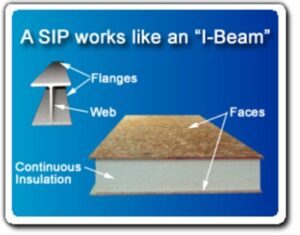
Why SIPs Are Stronger
- Monolithic Shell: While traditional framing relies on individual studs, SIPs create a unified, continuous shell that distributes loads evenly across the entire surface rather than concentrating stress on separate joints and fasteners.
- Superior Wind Resistance: SIP homes are engineered to withstand hurricane-force winds often exceeding 180 to 200 mph, whereas traditional frames may suffer structural failure at much lower speeds without extensive additional strapping.
- High Lateral Loading: SIPs provide up to three times the lateral load capacity of stick-framed walls, making them highly resistant to the racking forces that can collapse standard homes during a storm.
- Impact Resilience: SIPs have passed rigorous “missile impact” tests, such as those required by the Florida Building Code, where they successfully resisted penetration from heavy debris launched at hurricane speeds.
- Reduced Uplift Risk: The airtight, factory-laminated construction eliminates the air gaps and weak points common in traditional attics, reducing the internal pressure build-up that often causes roofs to blow off in high winds.

WHAT DOES HURRICANE RESISTANCE MEAN?
The wind scale category is based on the ability to withstand specified wind gusts as specified in the Saffir-Simpson Hurricane Wind Scale which is explained in the generated report attached below.

 English (Canada)
  简体中文
简体中文  Español de México
  Français du Canada
  हिन्दी